
Pacific POW Roster updated (downloadable CSV file)
Group photo showing Tomeš at Sendai #2
Added B-29 crash in Yame, Kyushu, Missing Air Crew Report 42-94098
Added link: SPECIAL WEBSITE ON HIROSHIMA POWS and list of the crew of the Lonesome Lady
Photo of burial detail at Camp O’Donnell, not Death March
Intel study of Sasebo; asst. images; G-2 Periodic Report on Kyushu area
Sapporo Jail locations, hi-res photos, Chambliss addition
Theodore Hendrik Johannes van Dopperen, Fukuoka #22 Honami
SPECIAL CONTRIBUTION – Art Trevithick Collection: The USS Cabildo and transport of POWs from Japan
200th Coast Artillery Battery D and E Officers and Men
Percy Armstrong Collection – Singapore Maru, Changi, etc.
Michael Gerrard McGonnell Collection, Hiroshima POW Camp #7
Fukuoka #5 group photo and photo of USNHS Consolation
Rangoon composite XLS and jail images, etc.
Added section: “Nuclear weapons bases in Japan”
Korean and Chinese forced labor; IMTFE exhibits re treatment of POWs
Java Parties 1 to 22 (original documents)
Pre-WWII premonitions of attack on US by Japan (at bottom of page) – For more in-depth background, see this 1942 REPORT ON JAPANESE ACTIVITIES.
Capt. Earl R. Short (Tokyo #6 Motoyama) and the Shanghai Bowl at Corregidor
Documents on Japanese special intelligence agencies Tokumu Kikan; CIA documents on important Japanese individuals – see Special Files
Letters and history relating to USS Haven and Refuge hospital ships added to Original Documents
USAF assorted images put into PDFs in The File Bin (Fold3)
Hell ships page – re ULTRA decrypts
The POW Experience: From Capture to Liberation – all webpages have been posted, see links on APUJ Home page
Tokyo POW Research Assoc. Calendar: Activities – Events (in Japanese only)
POW Recovery Team #9 Journal, Nagasaki and Fukuoka
Atrocity Reports – Documents and Exhibits
Japanese Propaganda 1945-08-07 to 09-17 – Summary excerpts of Japanese news relating to A-bombing of Hiroshima and Nagasaki
(Text file of date and page details)
See also:Air Raids and Atomic Bombing of Nagasaki
Why did children have to die in the bombing raids?
Japan Attacked More Than Pearl Harbor
Excellent article on what else happened on that fateful day
Additional info on Roosevelt and the Pearl Harbor attack
Did FDR force Japan to attack?
Important Summaries of Prosecution Exhibits for
Int’l Military Tribunal for the Far East (IMTFE)
Webpages on “secret” camps:
Camp Bunka (Radio Tokyo)
Camp Kanigaya, Radio Listening Post
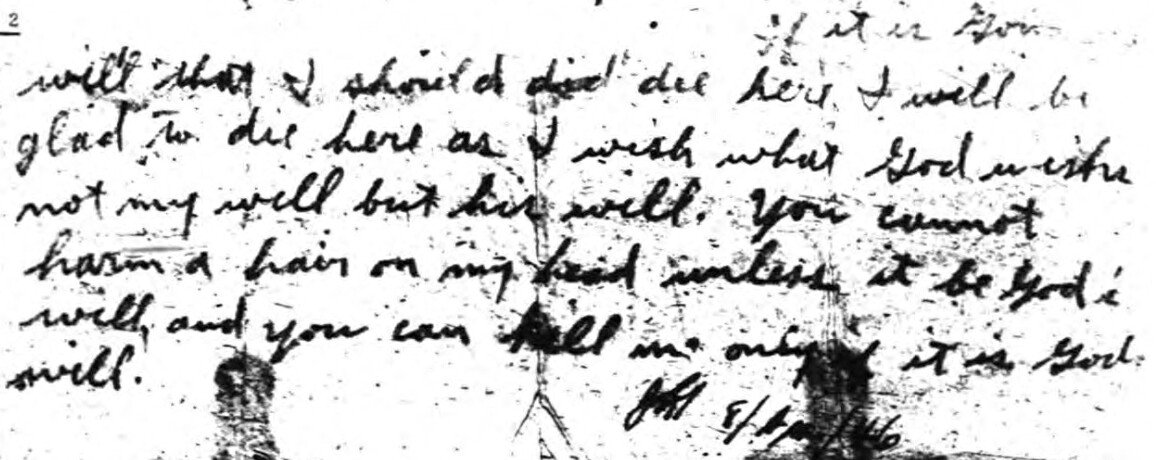
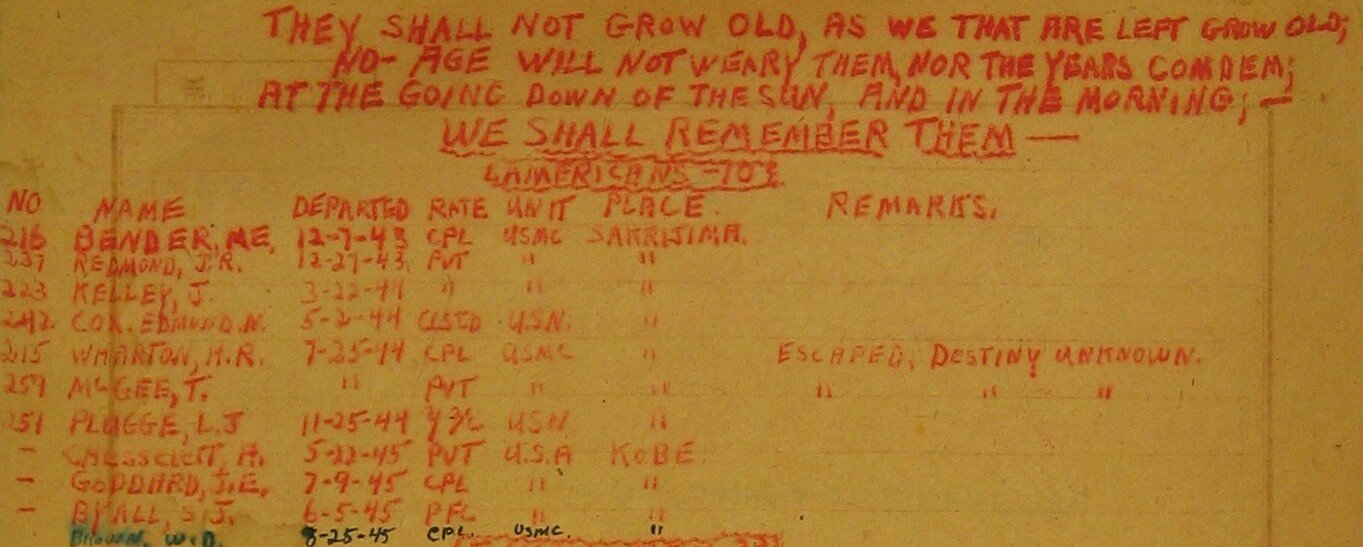
ALL U.S. POWs (A-K – L-Z) – Original roster, Feb. 1946
DEATH ROSTERS – Unreported deaths for all nationalities PDF1 – PDF2 – PDF3 (see this contents file)
Misc. deaths (RG 407 Box 186) – Nagasaki, Fukuoka, Hiroshima, Nagoya, Ofuna, Yokohama, Tokyo, Mitsushima, Hirohata, Hong Kong, Narumi, Toyama
Asst. death rosters for SE Asia and Japan (contents file)
ALL FUKUOKA CAMPS – Original rosters
Tokyo Camps, Original Rosters – contains rosters of many Tokyo camps (all nationalities, camp numbers not listed)
Tokyo camps, death rosters, all nationalities
Roster of assorted nationalities at Tokyo and Sendai camps – Many PDF’s for Osaka Camps have been compiled from original archives and placed on Osaka Main Camp webpage.
The File Bin – an assortment of images and document scans for your perusal, including MANY archival documents in PDF format. See Special Files for this growing collection.
Finding Our POWs — The Recovery and Evacuation of POWs from Japan, 1945
News From the Past
Newspaper and magazine articles about POWs
Latest addition – Story of Navy Nurse Marion Olds, Guam – Zentsuji – Kobe – Gripsholm
We have many articles which need to be transcribed. Can you help?
Beta version of Jason McDonald’s sortable Mansell Database
TOKYO #13 (OMI) MEMORIAL
Memorial sites can be and are being built to remember our POWs in Japan. The Japanese company employing POW labor at this camp erected a memorial in Sept. 2014. See the Tokyo #13 webpage for more details.
POW rosters and asst files from NARA – Organized list of thousands of document images from the US and British National Archives. Let us know your requests!
Abbreviations used on camp reports and rosters
National Museum of the US Navy: Search on “prisoner of war” (hi-resolution photos) – Search on “prisoners of war” (hi-resolution photos)
Report on Medical Activities in the Philippines & Japan by Col. Wibb Cooper — very good history of events prior to & during WWII, including activities at POW camps
Prisoners of War in the Philippine Islands — Sept. 1944 Military Intelligence Division report on POW and civilian internee camps in the Philippines, with maps and photos
Ten Escape From Tojo by Cmdr. McCoy and Lt. Col. Mellnik – Original report on the escape of 10 POWs from Davao Penal Colony
Office of the Provost Marshal General Report on POWs in the Philippines — Produced in Nov. 1945, containing much vital info on the major camps in the Philippines, including disease data; with drawings
Research papers by Edward Jackfert, Past National Commander, ADBC:
* World War II – Analyzing the Sacrifice and Abandonment of American Troops Defending the Philippine Islands
* Japan Surrenders, Rescue and Recovery of POW’s
* Findings of the War Crimes Tribunal
* Documentary in Four Parts:
Part 1 – Philippines Prior to WWII
Part 2 – Japan Attacks Philippines
Part 3 – Mistreatment of POWs
Part 4 – End of WWII: Freedom for POWs

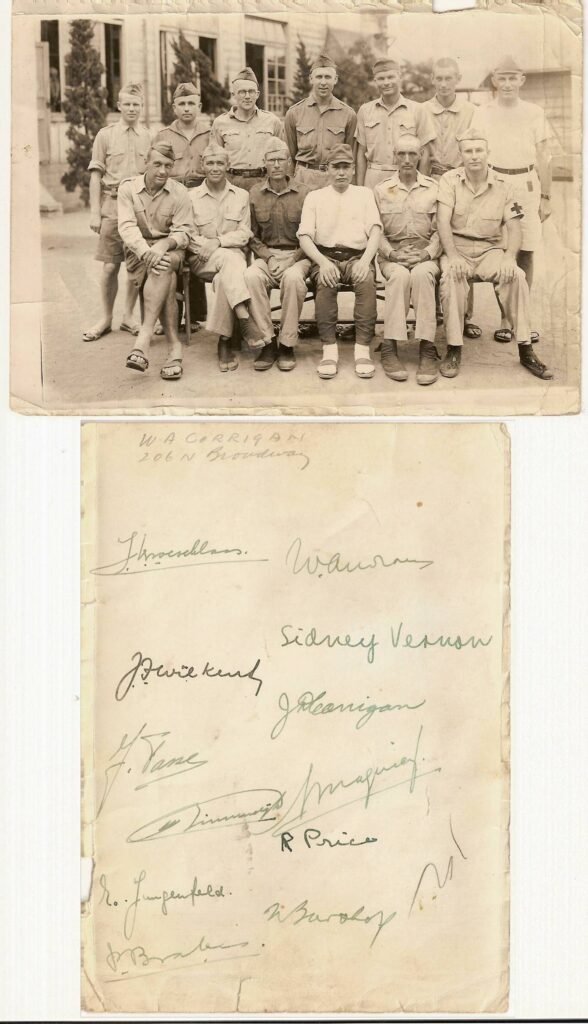
We are always more than happy to receive any type of document, digitized or otherwise — including news clippings, photos, and memoirs — on Allied POWs. Contact us if you do have something you’d like to share with us. We are especially interested in receiving copies which you may have received from the National Archives. Your information will be of great value to others and save them hours of emails, letters and phone calls, perhaps even a trip to the Archives — as Roger said, “Share what you have.”
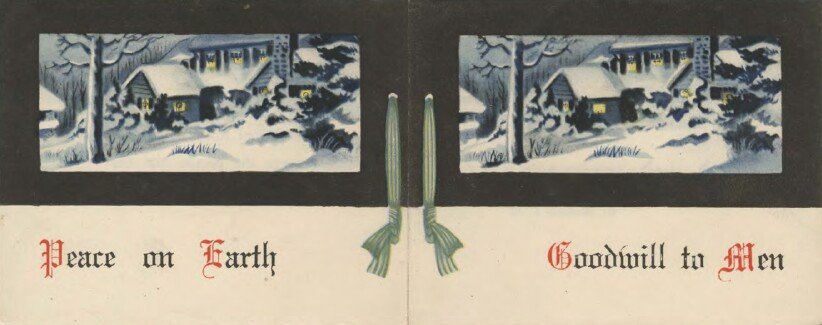
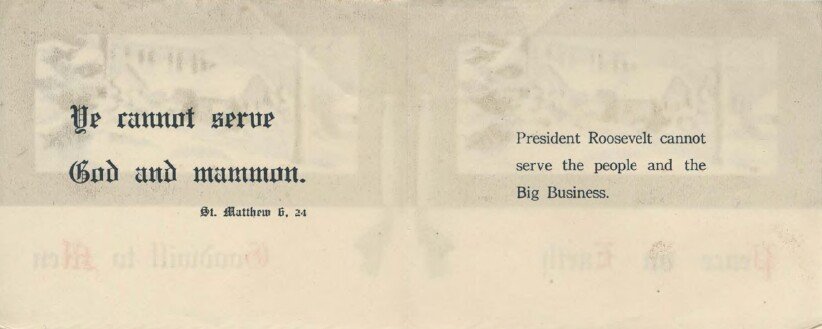
A mockery of Christmas – Japanese propaganda exhibit from the Tokyo War Crimes Trials (IMTFE):
The Christian world should be aware by now that the present world-wide chaos is but a fulfillment of things long foreseen by our Prophets — and that war gives as well as takes. For what intelligent nation, like the Philippines, can deny the fact that it has made her more oriental, more Asiatic, more Philippine. That it has divested her from Occidental clutches, and brought into existence the original Filipino-the genuine Juan de la Cruz in thoughts, words, and deeds. That it has helped her develop her latent powers and bring to the fore her dormant capacities. Ample proofs of all these changes may be seen in all branches of social, cultural, and industrial life. However, all was not and is not, smooth sailing. But is it not only fair that you share in the struggles to justify your claim to the trophy? After all, this is also your war. Ambassador Vargas says: “We are in this war to win freedom and equality for all, without regard to color, race or political belief. We are in this war to secure the unhampered development of our native cultures and traditions in the shelter of unimpaired sovereignty and territorial integrity.”
Brethrens, we are not asking you to become pro-Japanese. Neither are we trying to impose our opinions upon you. All we ask is that you stop to think for a moment whether the present happenings represent the Will of God or not. Whether Japan’s move is the substance of her own ideas or that of the Hand of God. Whether you would have acted differently had you been in her place and impelled by the same unseen hand that guides the destinies of nations. Consider these things, Brethrens, and then judge us. Have not events happened before wherein we had declared “God is writing His Will in History?” If that was our attitude before, why not now?
Long ago, the son of God died for our Redemption. Countless Christians suffered martyrdom for the propagation of the Christian faith. So, the present war is, to use the words of Ambassador Vargas, “to vindicate our natural and human right to live our own way of life in East Asia without interference, dictation or exploitation from outside of East Asia.”
For what are America and England fighting? For what are we fighting? The Greater East Asia Five-Point Declaration answers these questions for us. It is the “crux of faith” of the Asians. The text of the Declarations is found in full on the reverse side.
RELIGIOUS SECTION
DEPARTMENT OF INFORMATION
IMPERIAL JAPANESE ARMY
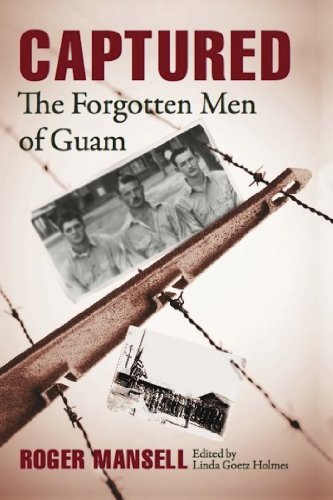
Recommended Books – Books that contain valid research, sufficient facts, and dialogue to give a full understanding of the POW experience.
Hell Ships Memorial Fund – Subic Bay – A truly worthy cause, creating monuments to those who perished on the hell ships.
Hell Ships– short list of major losses based upon Michno’s Death on the Hell Ships
Cruise of Death series from Nov. 8, 1945 published in the Chicago Daily News
Singapore Malay Volunteers– learn the history & Units of the Malay Volunteers- fast growing web site
Summary of Singapore & Malay States Volunteers (courtesy of Ron Bridge)
Links of Merit:
Links deemed accurate for research on the POW experience.
UNIT ROSTERS
Rosters for Combat units & Ships; featuring China Marines, 60th CAC, 59th CA, Wake Marines, 59th CAC, 26th Cav, CPNAB (Civilians on Wake, Guam and the Philippines) and much more.
Detail photo of damage, Kobe Bombing Photographs, Kobe, Japan, 5 March 1945
The Ralph Baggett Story
An unusual story of a man who won the Drake Relay Champions watch, only to have it taken by the Japanese. Drake University heard the story and the tale took another twist. ©Copyright 2000-2010, Roger Mansell
USS Houston CA-30 – Two pictures of USS Houston survivors upon repatriation.
Houston POW Site
The Lost Battalion – 131st Artillery captured on Java – history & rosters
The Sounds of War includes the audios of famous wartime news broadcasts including Tokyo Rose, Churchill, CBS News, and Tojo announcing the start of war.
Japanese Order to Murder all POWS – Contains Japanese order to murder all prisoners plus the official authorization for guards to flee and change identities, issued the day of surrender, 15 Aug 1945
Text:
Surrender speech of Emperor Hirohito – note the dissembling and deceptive nature of his speech. He NEVER said the word surrender to his people.
Guam Related:
GUAM: The story of the attack and surrender – Governor McMillan’s report of actions during invasion by Japanese, 8-10 December 1941.
McMillan Interview – Formal Navy Interview, 23 Nov 1945.
Agaña Plaza – Virtual recreation of Agaña Plaza, December 1941. 5 virtual views.
Roster of all Guam personnel.
Guam Time Line – Deaths of POWs, misc corrections and additions. Time line for POWs from Guam, captured 10 Dec 1941.
Aerial Views of Guam – 1945, plus the USS Ozark unloads first returned POWS
The Guam “Rooster Club” – A tradition that ended, December 7, 1941.
Zentsuji related:
Zentsuji – Aerial view, photographs, sketches & Location Maps
Wake Island POWs at Zentsuji:
List of the men who arrived from Wake Island to join the Guam POWS.
Source: Courtesy of Professor Gregory Urwin, Temple University.
Other camps:
Rokuroshi Camp
Description, roster, and 27 Liberation Photos.
Hirohata – Aerial Photos taken from B-29 dropping food – 9 Aug 1945. Flag Raising ceremony at Hirohata.
Osaka – Ichioka Stadium and Yokohama Stadium Hospitals.
Cabanatuan Burial Roster (external link) – On-going research by John Eakin
Osaka Camp List
Japanese submission to MacArthur of exact names and location of each camp under the control of the Osaka POW Camp Command. Many errors.
Death Railway Camps: Names and mileage; first accurate and complete listing of these horrific camps
Reprint from Nippon Newspaper: Former Allied POWS aid victims of train wreck
American Defenders of Bataan and Corregidor Memorial Society (ADBC-MS) – successor to the original ADBC, “preserving the legacy of the POWs of the Pacific.”
American Defenders of Bataan and Corregidor Museum – Located at the Brooke County Public Library in Wellsburg, WV, this museum has the largest collection of documents, photos, and maps devoted exclusively to the ADBC membership — view some of these on their Flickr site.
Legacies of Captivity: Sharing family archives, histories and the post-war impact of health issues
SURVIVING FAR EAST CAPTIVITY AND THE AFTERMATH: 70 YEARS ON – 2015
FEPOW 2007 Research Conference – Read Summary Report
FEPOW 2006 POW Research Conference (England) – Read Summary Report
Hiroshima POWs – includes complete English translation of book written by Shigeaki Mori about American POWs killed in Hiroshima and his incredible work to inform families
Special: A remarkable tribute to an airman who perished over Rangoon. Take a few moments to understand the loss of a young man to his young widow. She remarried and this is the story of how her son, Matt Poole, unveiled the story.
WWII People’s War – BBC’s archive of reader-contributed POW stories
Great Web Site: The story of a young girl, Elizabeth van Kampen, taken captive by the Japanese in Java. A unique story told with pictures and passion. Worth reading.
Interesting story of a Hollywood star who served in WWII
Student wins essay contest– state championship- Ron Currens
Read story of his triumph!
Picture with trophy of Ron Currens and his teacher, Mr. David Pinholster
A Soldier Died Today – worth reading for a few minutes
Dutch Civilian Camps in the Netherlands East Indies- Amazing research and information (although in Dutch, translation is easy using “Bablefish”) Outstanding research and information by Henk Beekhuis.
East Indies Camp Archives: Camps in the Dutch East Indies (1942-1948) – Excellent website with maps of camps
Victims of Circumstance – The story of the war in Manila and what happened to the civilian internees at Santo Tomas Internment Camp. Be sure to view the trailers and the sound recordings.
JAVA Memorial Fund:
Worth a read and definitely worth your contribution. A rare tribute to the Allied and women men captured on Java.
Upcoming POW Events & Reunions
This page maintained by the Descendants Group of the ADBC
The Tragedy of Bataan — A must-see!
TV documentary and radio series on the fall of the Philippines and Bataan Death March. Very interesting excerpts and links.
American POWs of Japan blog site — Lots of good information here; also see this collection of POW-related YouTube videos
Hong Kong War Diary exhibit – Photos showing POWs from Hong Kong at work sites while at Kobe #2
The Artwork of Des Bettany – British POW who was at Changi drew some remarkable art of POW life. Article
The American Prisoner of War Experience – Andersonville National Historic Site – Serves as a memorial to all American prisoners of war; is also home to the National Prisoner of War Museum.
Japan Air Raids.org – info about WWII air raids against Japan (in both English & Japanese)
B-29 Missions over Japan
Most remembered by POWs
Chariots of Fire – Remember the movie? This was the story of the Olympic runner, Eric Liddell. He was interned by the Japanese but died from a brain tumor on 21 Feb 1945. Now, the rest of the story. A statue has been erected in Tianjin, China, in memory of Liddell. Film on his life entitled The Last Race.
Paper Lanterns Project – film remembering POWs killed after A-bomb dropped on Hiroshima:
“In the summer of 1945, the United States dropped two atomic bombs on Japan. On August 6th, “Little Boy” was dropped on Hiroshima, and three days later, “Fat Man” was dropped on Nagasaki. Hundreds of thousands of people were killed. What few people know is that 12 American POWs were on the ground in Hiroshima, 1,300 feet from ground zero. Two of the twelve Americans were Normand Brissette of Lowell, Massachusetts, and Ralph Neal, of Corbin, Kentucky.” more
YouTube video interviews of Allied POW’s
Quite a number of videos of civilian internees in the Philippines
Bataan Blogspot – Robert Hudson’s blog with a multitude of photos and stories (be sure to read his own story)
The Battle of Bataan – Facebook Group (lots of good data here)
War Voices – Growing site containing many stories by POWs. “Oral historian Val Burgess sheds light on the reasons for war, and the human side… of the prisoners, while held during the largest war in world history.”
One of the most significant figures in FEPOW history research in Britain, Roderick (Rod) Suddaby, the former Keeper of the Dept of Documents at the Imperial War Museum (IWM) in London, died last Wednesday (26 June) having been ill for several years.
Roger knew and respected Rod. It was reciprocated, I’m sure. It was at the first FEPOW history research conference, organised by the Researching FEPOW History (RFH) Group, that I believe they met for the first time. This was held in April 2006 at the National Memorial Arboretum in Staffordshire, home to the FEPOW Memorial building. I had first met Roger three years earlier in Kansas City at the Zentsuji Reunion. He had, like Rod, been a constant support and help to me in my search for more information about Dad’s FEPOW experiences (also a Zentsujian as you know) and it was a thrill to have the chance to chat with him. When the idea for the research conference took shape a few years later, Roger was one of the first speakers I invited to present his work. Happily for us all he agreed straightaway.
Rod (and through him the IWM) was a staunch supporter of the work of the RFH Group. He had an encyclopaedic knowledge of British military history and in his later working life in FEPOW history in particular. He believed, like Roger, in sharing what he knew. He was an academic historian, a rigourous researcher who had a phenomenal memory for detail. He also had a wonderful knack of putting many untutored family historians at their ease when confronting for the first time the old silent, high-domed reading room at the IWM in Lambeth Road, South London. Nothing was ever too much trouble you felt, just as he intended. Whenever possible he delighted in being able to put in touch relatives of FEPOW who shared common ground in research. I was one of the many beneficiaries of his care and thoughtfulness.
I am sure that there are many American researchers (and of other nationalities too) that are regular visitors to mansell.com who will have heard of Rod Suddaby at the IWM in London. His passing is a huge loss to so many of us concerned with FEPOW history research. His contribution has been extraordinary.
— Meg Parkes, FEPOW researcher and author
>>>See anything out of date or that needs correction? Let me know!<<<
If you can read this, thank a teacher.
If you are reading it in English, thank a veteran!

Delving into archival material with intensity... and sharing it with the world
japanpow(at)use.startmail.com
Copyright 2001-2026, Wes Injerd. All Rights Reserved.


